How Can Artists Protect Their Styles from Being Copied by AI?
In today's rapidly evolving digital art landscape, artists face unprecedented challenges as AI-generated imagery becomes more pervasive. One pressing concern is style replication, where AI models mimic or replicate distinctive artistic styles without permission or attribution. This issue raises complex questions around copyright, trust, and credibility in digital art marketplaces.
In this article, we'll explore practical ways artists can protect their unique styles, explain key concepts like provenance, and clarify how emerging frameworks such as WIPO AI ownership impact artists’ rights. We’ll also reference examples from the industry, including tools like Newsweek and Noirci Studio, to ground our discussion in current realities.
Defining the Problem: What is Style Replication?
Style replication refers to AI systems analyzing and learning specific artistic styles from thousands of inputs, and then reproducing new images that closely mimic that style. While this might sound like a tribute to the original artists, it often occurs provenance for limited edition prints without their consent, raising ethical and legal concerns.
For clarity, provenance—a term we’ll focus on frequently—is the documented history of an artwork’s creation, ownership, and authenticity. Provenance in digital art, especially NFTs and AI-generated images, is vital to establishing trust and protecting both artists and buyers.
The Challenge: Why Is It Difficult to Protect Artistic Styles?
Unlike a distinct artwork or tangible object, an artist's personal style is a collection of visual characteristics—brushwork, color palette, composition—that doesn't easily fall under traditional copyright. Copyright law, including frameworks defined by bodies like the World Intellectual Property Organization (WIPO), protects specific artworks but not the general style used across multiple works.
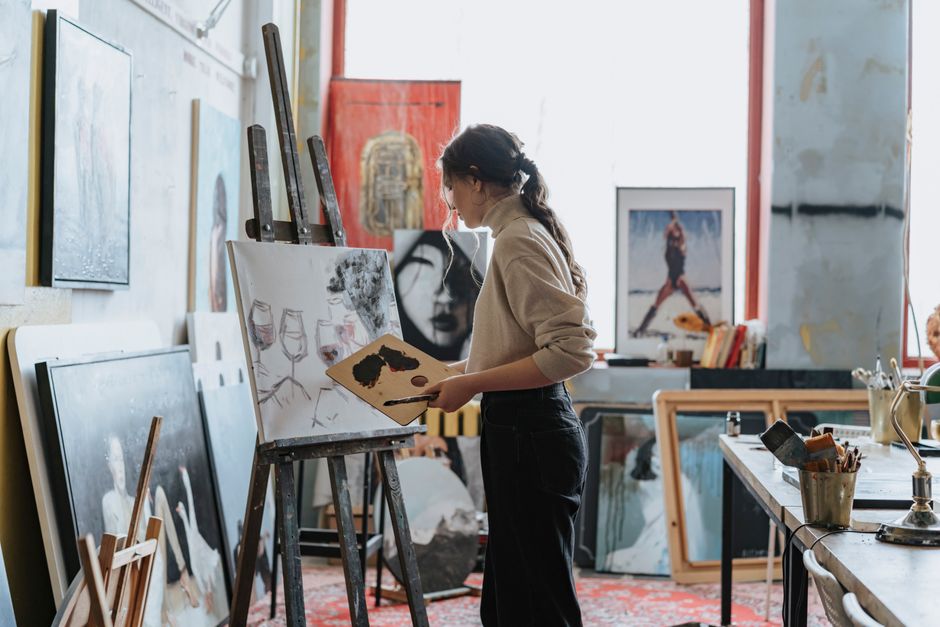

Furthermore, AI models train themselves using vast datasets scraped from public internet images, often without explicit permissions. This “training data” includes copyrighted works, muddying ownership and attribution.
How Artists Can Protect Their Styles: Strategies and Tools
Artists must adopt a multifaceted approach combining legal understanding, platform governance, and buyer education to safeguard their styles from unauthorized AI replication. Here are key strategies:
1. Claim and Assert Copyright within a Clear Framework
- Register copyright for original works immediately upon creation to solidify legal claims.
- Monitor evolving policies and cases around WIPO AI ownership to understand your rights regarding AI-generated derivatives.
- Use licenses specifying that commercial use or AI training is prohibited without permission.
Many artists spend upwards of $200 or more on legal counseling and copyright registration annually to maintain protections. This investment can pay off by deterring misuse and enabling takedown requests.
2. Emphasize Provenance in Digital Marketplaces
Provenance documentation is more than a historical ledger—it’s a practical safeguard that informs buyers and platforms about authenticity and attribution.
- Upload and maintain detailed provenance data along with each artwork. Include creation dates, materials, and any exhibition or publication history.
- Work with marketplaces like Noirci Studio, which prioritize transparent provenance records and artist biographies.
- Encourage buyers to verify provenance before purchase to build trust and credibility.
3. Transparent Artist Bios and Attribution
Strong artist biographies humanize digital creations, an important counterbalance to AI's impersonal mass production.
- Provide clear information about your creative process, inspirations, and history.
- Link each artwork to your authorized profile and portfolio to discourage misattribution.
- Demand transparent attribution in resales or derivative works, particularly on marketplaces that host AI-generated content.
4. Advocate for AI-Generated Image Disclosure
One of the most contentious areas today is the lack of mandatory disclosure when an artwork is AI-generated or AI-assisted. Transparency fosters trust and helps buyers make informed decisions.
- Champion platform policies requiring explicit labels when AI contributes to art creation.
- Make it clear in your own listings whether your works are purely human-made or AI-enhanced.
- Support legislation or standardization efforts pushing for AI content disclosures to protect artists’ creations.
Why Trust and Credibility Matter in Digital Art
In digital environments crowded with both human and AI creators, trust must be established through verifiable data points, not vague claims like "museum quality." Provenance, transparent artist information, and clear AI disclaimers build a foundation that reassures buyers and protects artists’ reputations.
For example, as Newsweek recently reported, some marketplaces have seen a rise in disputed AI-deepfakes and unauthorized style copies, hurting both artists and buyers. Platforms like Noirci Studio are innovating by integrating provenance verification tools directly into their sales process, demonstrating practical buyer safeguards in action.
A Mental Checklist for Buyers: Verifying Authenticity and Protecting Artists
When acquiring digital art, buyers should keep this checklist in mind to foster a respectful ecosystem:
- Is there verifiable provenance attached to the artwork? Dates, creator info, ownership history?
- Does the platform disclose if AI tools were used in creating this artwork?
- Is the artist's biography and portfolio linked to this specific piece?
- Are copyright and licensing terms transparent, especially around reproduction or AI training usage?
- Are prices consistent with market standards? For example, authentic original pieces should have documented pricing history rather than arbitrary fees.
Maintaining vigilance ensures that artists receive credit and compensation, and buyers https://highstylife.com/what-does-the-oecd-say-about-synthetic-media-and-trust/ avoid inadvertent support of style theft.
Conclusion: Protecting Artistic Styles is Everyone’s Business
In an era where AI’s capacity for style replication grows exponentially, artists must be proactive. Registering copyrights within recognized legal frameworks like those encouraged by WIPO, focusing on provenance, maintaining transparent artist biographies, and pushing for AI content disclosure are the pillars of effective protection.
Platforms and consumers also share responsibility. By valuing informed trust over vague claims, scrutinizing provenance, and verifying attribution, they help sustain a credible marketplace where human creativity thrives alongside evolving technology.
For those investing in their art career, allocating resources (sometimes around $200 or more) toward protecting copyrights and provenance documentation is a worthwhile safeguard against style appropriation.
Ultimately, transparency and accountability build an art ecosystem that respects creators and sets clear expectations in the age of AI.